
Châteauneuf-du-Pape in 2026, between drought and renewal
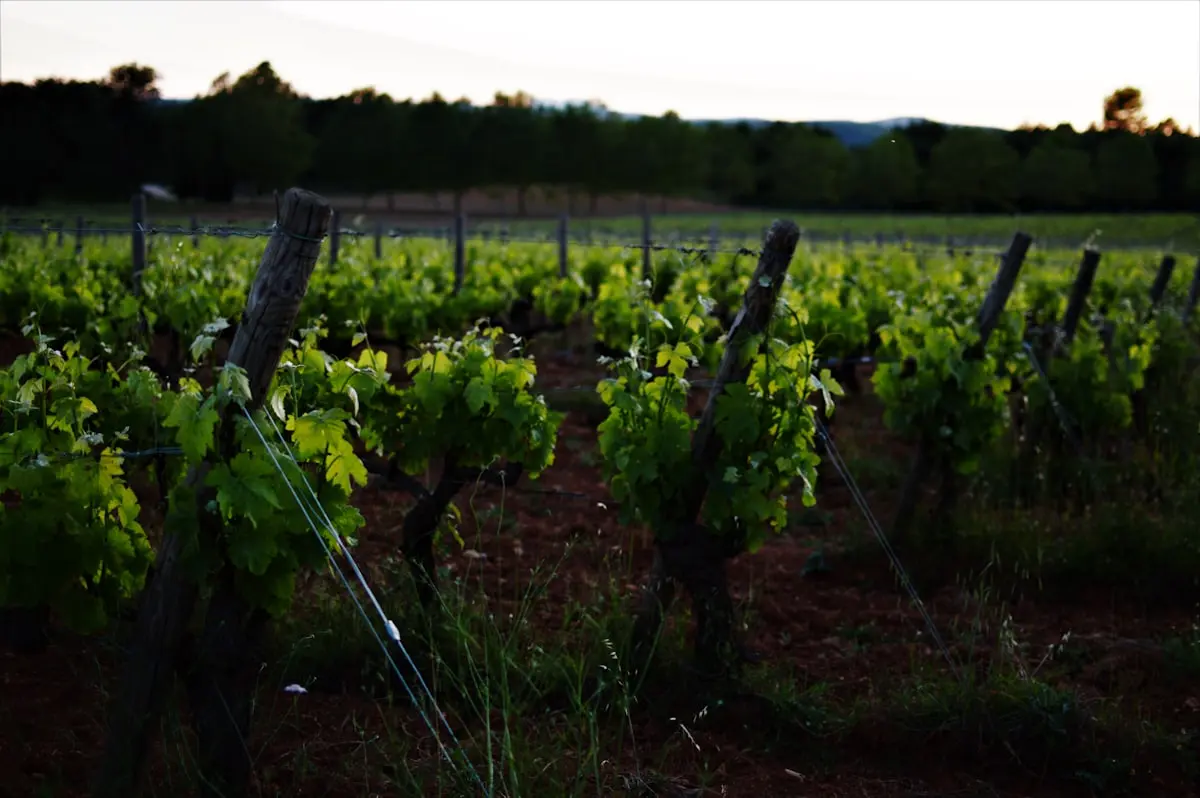
How the Châteauneuf-du-Pape vineyard is adapting to a changing climate.
In Châteauneuf-du-Pape, rain has become scarce. This is nothing new; it is a long-standing fact of the appellation. The rolled pebbles that blanket the vines have always stored the day's heat to release it once night fell. But over the past few years, this climatic quirk has turned into a variable to be managed. Less rainfall, summers that stretch on, and harvests that have moved up by two to three weeks over thirty years.
How the winegrowers are adapting
Several estates have started planting complementary varieties such as mourvèdre, counoise or terret noir, which handle heatwaves better than grenache, the dominant grape until now. Others are betting on altitude, looking for cooler plots along the edge of the appellation. A few are experimenting with emergency irrigation, recently permitted under certain extreme conditions. This is not a break with tradition, more a patient and methodical adaptation.
What it tastes like in the glass
The profile of Châteauneuf-du-Pape wines has shifted over the last decade. Recent vintages show less alcoholic power, the whites have gained freshness, and the reds are becoming finer, less extracted. The mineral identity and aromatic complexity remain intact. These, rather than the alcohol level, are what define the appellation.
Visiting the estates from Bédarrides
Châteauneuf-du-Pape is 15 minutes from Villa Plaisance. Most estates open their tasting rooms to walk-in visitors during the week. The village itself is worth half a day, with the ruins of the papal castle, sweeping views over the Rhône and a handful of good restaurants. The Sunday market, in season, is the perfect chance to meet the producers in person.
Stay 15 minutes from Châteauneuf-du-Pape: our bed and breakfast and our villa in Bédarrides →