The Provence that resists: portraits of winegrowers who do things differently
Meet Provencal winegrowers who chose organic farming and respect for the terroir.
The word "organic" became a marketing argument before it became a practice. In the Vaucluse, certain winegrowers adopted organic or biodynamic farming without chasing the label. They did it because the soil where they grew up no longer resembled the one they knew as children. Nothing ideological. An observation, simply.
Three approaches, one shared refusal
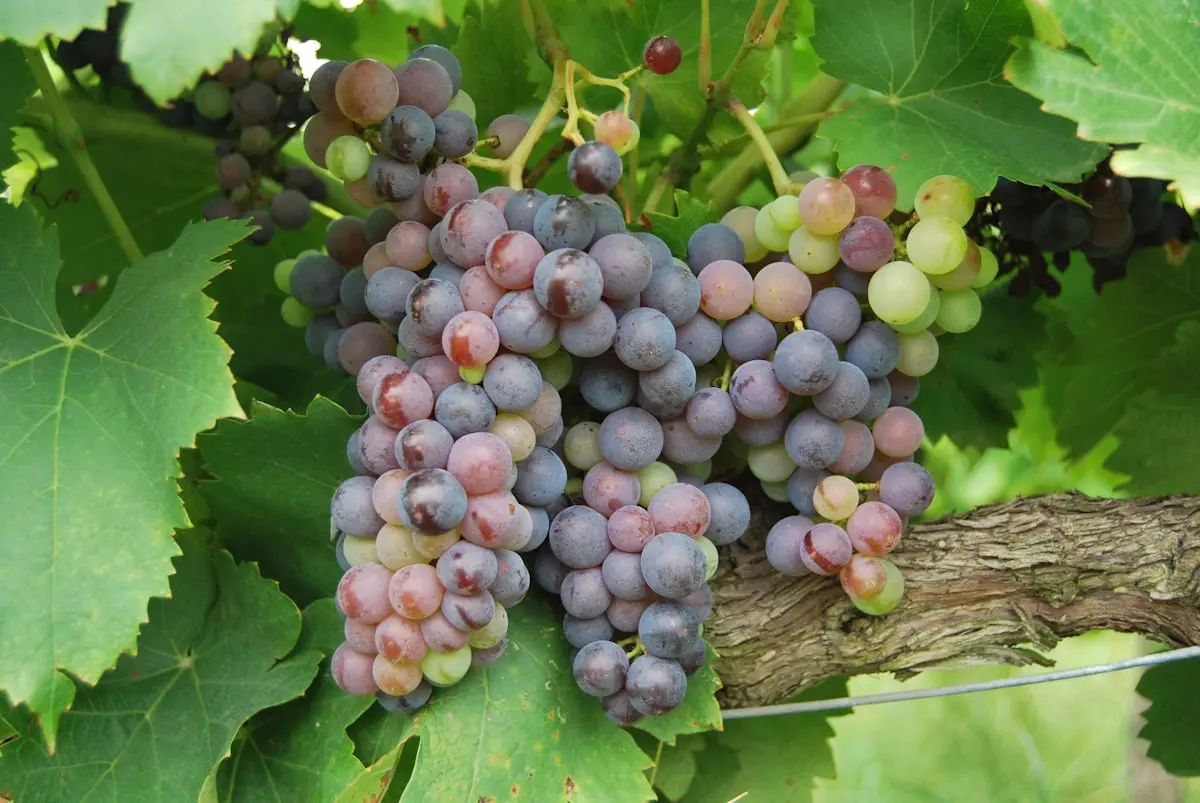
Some work in strict biodynamics and pace the year according to lunar cycles. Others stopped using herbicides because the soil had become too compact for the vine to root properly. Others still make natural wine, without added sulphur, because it is the only way for them to truly taste the grape they have grown. The common thread remains the same: never mask through technique what the vine has to say.
What the wines tell us
The wines from these estates do not always match the standards of their appellations. They can seem lighter, more volatile, more rustic. They sometimes also reach an aromatic precision you will not find in conventional cuvees. That is the nature of uncorrected terroir: it expresses itself, with its strengths and its irregularities.
Where to meet them around Bedarrides
The Golden Triangle, which links Chateauneuf-du-Pape, Gigondas and Vacqueyras, is crossed by small vineyard roads. Chateau La Gardine in Chateauneuf-du-Pape, fifteen minutes from Villa Plaisance, is a historic family estate that practises reasoned agriculture. For strictly organic estates, the Avignon market, under the halls of Place Pie, often allows a first direct encounter with the producers.
Stay 15 minutes from Châteauneuf-du-Pape: our bed and breakfast and our villa in Bédarrides →